



Menopause marks the end of a woman’s menstrual cycles, usually between the age of 45 and 55. The female body goes through some changes during this time due to hormonal shifts. Some women experience severe symptoms while others hardly notice the transition.
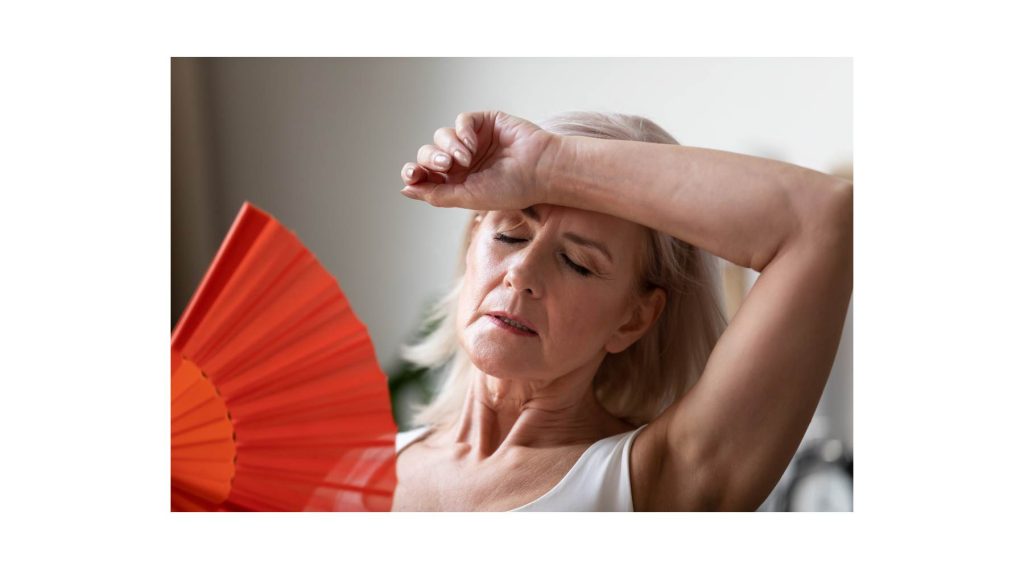
Hot flashes, night sweats, and mood swings are common issues women face during this time. Other symptoms include fatigue, irritability, and difficulty concentrating. This often affects sleep patterns, emotional well-being, and overall quality of life.
Many women are desperate to get relief and try various medications and remedies that show little to no results. CBD, a very popular cannabinoid, has been in the limelight in the last few years for many positive reasons. According to Harvard University, 80% of midlife women are using CBD for menopausal symptoms to find relief.
CBD and CBD products were legalized federally in 2018, and CBD is legal in all 50 states in the USA. Many studies claim that CBD may be effective in dealing with different health problems, such as depression anxiety, and alleviating some symptoms of menopause.
How CBD Oil Affects Menopause?
Women looking for a natural solution to menopausal symptoms have found success using high quality CBD products. How CBD actually affects the body is yet not fully understood. However, various studies have proved that it binds with the endocannabinoid system, showing that human biology is made to consume cannabinoids.
The brain and other organs and tissues are all connected to the complex network of cell receptors of the ECS. This system influences your sleep pattern, mood, and pain perception.
CBD interacts with these receptors and potentially regulates your body’s response to discomfort, stress, and inflammation. Researchers believe this interaction can help you feel better and improve your overall quality of life.
When Can You Use CBD for Menopausal Symptoms?
To be honest, there is a lack of research into CBD and the science of menopause is under-explored as well. Add these two together it will make sense why most of the effects of CBD in menopause are yet to be proven by researchers.
As a woman entrepreneur and owner of a company that offers plant-based health remedies, I am on the front line talking to our female customers who are in their mid-forties and fifties.
I am also struggling with menopausal symptoms and agree with our customers who have found adding CBD products have helped them feel better by reducing or controlling the following menopause symptoms:
1. Physical Discomfort
Women often go through physical discomfort, especially joint pain, during menopause, which is called menopausal arthralgia. Multiple factors lead to this pain. The major contributors are:
-
- Hormonal fluctuations
-
- Aging
-
- Weight gain
-
- Decreased muscle mass
-
- Inflammatory conditions
-
- Bone density changes, etc.
Studies show that 60% of women experience joint pain after 40. CBD is believed to have pain-relieving and anti-inflammatory properties, according to the Arthritis Foundation. This provides comfort and helps you feel better during joint pain. Although CBD is not a prescribed medicine for joint pain, its interaction with the endocannabinoid system has helped women feel better.
2. Improve Sleep Quality
Disturbed sleep is another problem common for women in menopause. Women often experience hot flashes, often accompanied by anxiety, that wake them multiple times a night, interrupting deep sleep. Some women sweat during these hot flashes requiring a change of clothing, further disrupting the sleep cycle.
After menopause, reproductive hormones like estrogen and progesterone decrease significantly. This decline can lead to a range of physical and emotional changes, including sleep disturbance.
Since CBD has the potential to calm and relax you, this may help you sleep through hot flashes or help you get back to sleep when woken with the dreaded hot flashes. Full-spectrum CBD is the most effective form for this issue and may help you sleep better. According to Healthline, this can reduce anxiety levels, soothes chronic pain, and help you sleep better.
3. Regulate Hormone Levels
Women experience an imbalance in several hormones once the menstrual cycle ends. This affects mood and overall quality of life. Various studies claim that CBD may help regulate the levels of cortisol and estrogen. These claims are yet to be proven scientifically, but anecdotal evidence is strong.
Estrogen is a group of hormones that play a vital role in the development and regulation of the female reproductive system. The drop in estrogen leads to hot flashes, night sweats, mood swings, and weight gain. By interacting with the ECS, CBD may support the body’s response to stress, which can affect hormone levels.
4. Reduce Hot Flashes
Women typically begin to experience hot flashes before their last period. Then, they continue for various lengths of time, depending on the individual. 80% of women share that they experience hot flashes for nearly 2 years, while some may experience them for an even longer period of time.
Please note that CBD is not a specific medication for hot flashes. But many women are using CBD and experiencing improvements in sleep quality, hormone balance and hot flashes.
5. Mood Changes
During menopause, women may go through a mood-changing rollercoaster. As with every other symptom of menopause, some women experience mood changes more severe than others. For some, the mood changes lead to major psychological problems.
The frequent mood changes can affect regular life and relations. Failing to cope with the sudden change can easily lead to anxiety and depression. WebMD says that about 20% of women face depression during this time.
Some studies conducted on animals reveal that CBD can reduce anxieties and signs of depression. Human users share that they feel calmer and more relaxed after using CBD. The calmness can help you deal with these sudden mood changes and can help you react more like you would before menopause kicked in.
6. Bone Density Loss
Once again, this takes us to the endocannabinoid system. A 2012 research study claims that ECS plays a role in bone mass regulation. Being a natural influence of the endocannabinoid receptors, CBD has the potential to help you with osteoporosis.
The drop in estrogen levels is a major reason for bone health effects after menopause. Without enough estrogen, bones lose density and become weaker, making women more prone to fractures and osteoporosis. Bone loss can happen gradually, but it increases the risk of serious bone injuries over time.
CBD may support overall wellness, which can be important for bone health. It is thought to promote relaxation and reduce discomfort. By helping manage stress and improving sleep, CBD might indirectly assist the body during bone changes after menopause.
What is the Legality of CBD?
According to the FDA, the 2018 Farm Bill removed hemp from the CSA list. The bill also legalized the production and use of CBD production. However, more research is needed to allow the prescribing of CBD for medication.
Carrying and consuming CBD supplements is allowed in all 50 states. However, some regulations regulate the presence of other ingredients in CBD products.
THC is a commonly used cannabis psychoactive compound. Federal law requires CBD products to contain no more than 0.3% THC. If travelling out of the country with CBD, check the legality of your destination as legal amounts of THC in CBD products do vary.
What Are The Risks of Using CBD?
You need to be choosy when purchasing and using CBD products. Make sure you are buying from a reliable and trustworthy company. Also, be careful to follow the dosing instructions on the label and beware of some potential side effects of consuming CBD:
-
- Dry mouth
-
- Diarrhea
-
- Reduced appetite
-
- Drowsiness, and
-
- Fatigue
Does CBD Increase Estrogen After Menopause?
There is still no solid evidence proving that CBD can increase estrogen in women after menopause. However, a study was conducted on ovariectomized mice by the Frontiers in Pharmacology.
The study reveals that when mice were fed CBD, blood glucose regulation and energy metabolism improved. Notably, their bone density increased, and inflammation in the gut and bone tissues was reduced. This makes many researchers believe that CBD might be able to help women with estrogen deficiency cope with the sudden changes in their bodies.
What Not To Do During Menopause?
While adding CBD to your routine during menopause may have the potential to help you deal with menopause, there are other lifestyle habits that should be avoided to improve your overall health. Above all, avoid smoking. It can intensify the symptoms of menopause and is detrimental to your well-being. Hot flashes can occur more frequently if you smoke, further disrupting your sleep.
Secondly, if you have an alcohol-drinking habit, it needs to be limited. Drinking during menopause increases the risk of osteoporosis, stroke, and other heart diseases. Consult with a trusted physician for more advice.
Final Words
The menopause years can be one of the most challenging times in a woman’s life. The issues that stack up against you, such as, hormonal imbalance, physical discomfort, and lack of sleep can be dreadful. Though more studies are needed, CBD shows potential to help women better cope with the symptoms.
Through its ability to interact and influence the endocannabinoid receptors, CBD for menopausal symptoms may help you deal with, including lack of sleep, hot flashes, physical discomfort, and mood swings.
Remember to consult with a trusted physician and to source your CBD products from a reliable company. Cowgirlsoss is a woman-owned company that ensures high-quality CBD products that strictly follow legal regulations regarding hemp, CBD, and THC. Try some high-quality CBD products and find out how CBD can improve your overall quality of life.